Starting from several Eisensteinian publications from the late 1920s, this article discusses the problem of a deep, essential closeness between the language of cinema as the perfect symbiosis of language and technology (and the film camera as the perfect machine) and different modes of Eastern/Japanese traditional culture: haiku poetry, kabuki theater, traditional ukiyo-e painting, and the nature of pictographic writing itself. This “language” plot is considered as part of the large-scale turn in Western culture/ art in the early twentieth century as a radical crisis-renewal act of overcoming one’s own “classical” tradition of relation to reality. The “second” Heidegger and particularly “A Dialogue on Language between a Japanese and an Inquirer”(1953/54) was used as a philosophical paradigm of the plot.
Technique and Mysteriousness: Cinema and Haiku. The Turn. Or What Japanese Cinema Would Look Like in Japanese
-
-
- 0000-0002-7156-7536
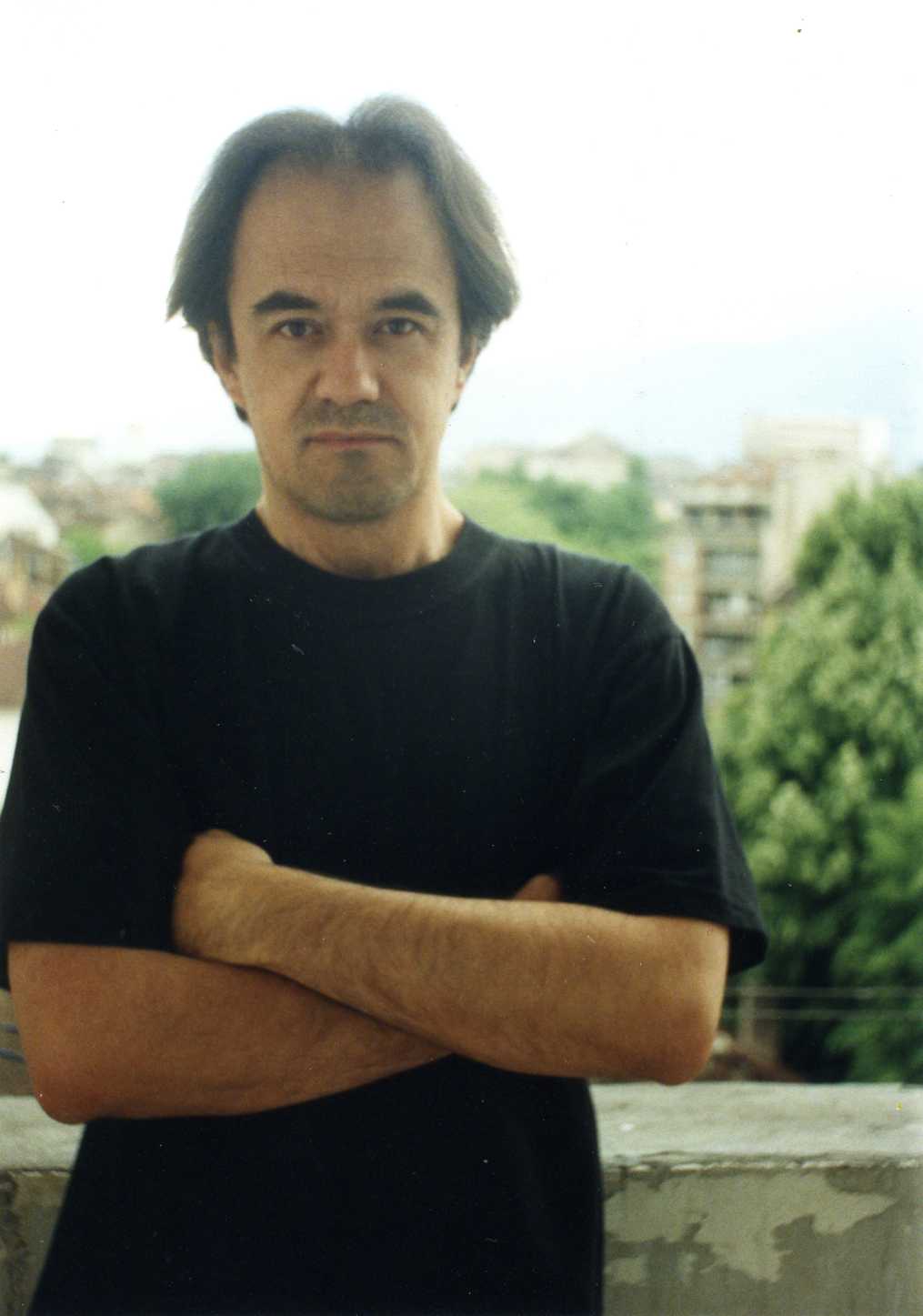
Пламен Антов
- [email protected]
- Институт за литература – Българска академия на науките
- България
-
Пламен Антов, роден през 1964 г., е проф. д. н. в Института за литература – БАН. Завършил е българска филология в СУ „Св. Климент Охридски“. Автор на около 200 научни публикации и на монографичните изследвания „Яворов–Ботев: модернизъм и мит. Атавистичната памет на езика“ (2009), „Поезията на 1990-те. Българско и постмодерно“ (2010), „Българският постмодернизъм ХХІ–ХІХ в. Към философията на българската литература“ (2016), както и на литературно-философското сравнително изследване „Анималистиката на Емилиян Станев. Биополитически и философски проблеми“ (1 том, 2019) и „Пред непостижимото: Емилиян Станев и Мартин Хайдегер“ (2 том, 2021). Най-новата му книга е монографичното изследване „„До Чикаго и назад“ отвъд пътеписа. Към генеалогията на Бай Ганю“ (2021). Съставител е на сборниците „Америките ни 1: Южна Америка и българската литература, български следи в Латинска Америка“ (2015), „Америките ни 2: САЩ като метафора на модерността. Българо-американски отражения (ХХ–ХХІ в.)“ (2017), „Магическият реализъм“ (2019). Автор е на 13 книги с поезия, разкази и пиеси. Член на Българско общество за проучване на ХVІІІ век, Академичен кръг по сравнително литературознание и Сдружение на български писатели. Носител на национални награди за поезия и драматургия. Негови стихотворения и литературоведски статии са публикувани в чужбина.
 Abstract:
Starting from several Eisensteinian publications from the late 1920s, this article discusses the problem of a deep, essential closeness between the language of cinema as the perfect symbiosis of language and technology (and the film camera as the perfect machine) and different modes of Eastern/Japanese traditional culture: haiku poetry, kabuki theater, traditional ukiyo-e painting, and the nature of pictographic writing itself. This “language” plot is considered as part of the large-scale turn in Western culture/ art in the early twentieth century as a radical crisis-renewal act of overcoming one’s own “classical” tradition of relation to reality. The “second” Heidegger and particularly “A Dialogue on Language between a Japanese and an Inquirer”(1953/54) was used as a philosophical paradigm of the plot.
Subject: CINEMA, GOTHIC, CANON CANONICAL AND NON-CANONICAL IN LITERATURE AND CINEMAKeywords: С. Айзенщайн А. Тарковски кино хайку авангард Хайдегер
-